Now part of Quadrant International — advancing precision magnetics since 1998
Magnetizing · Custom Fixtures

Magnetizing Fixtures

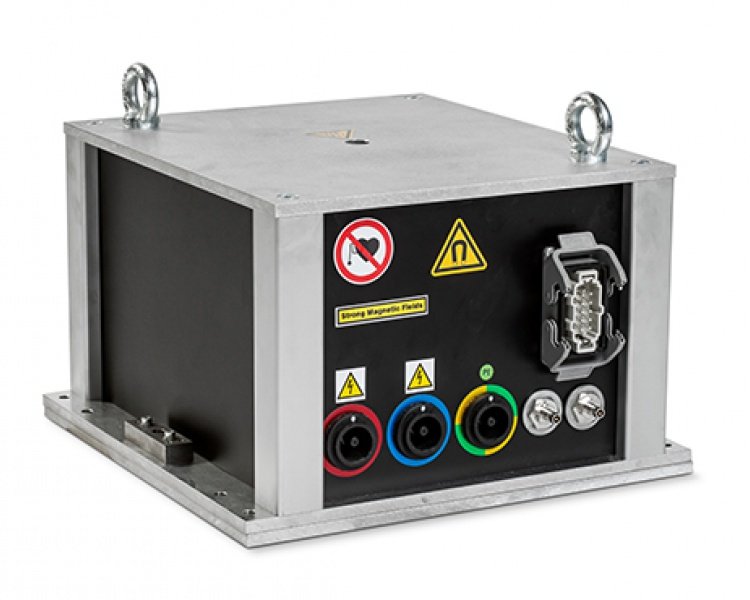
Standard fixtures and custom, product-specific designs with precision magnetic field control — purpose-built for reliable, high-efficiency magnetization.

  • Optimized magnetic field distribution for uniform magnetization
  • Custom geometries tailored to part shape and material
  • Scalable from small laboratory magnets to large industrial parts
  • Liquid-cooled designs for continuous, high-throughput operation
  • Support for complex multi-pole and multi-axis configurations
  • Single-operation magnetization of assembled components
Request Custom Quote View Specifications
Custom magnetizing fixture
Custom Geometries
LiquidCooled
Thermal Design
MultiPole
Field Topology
FEASim
Design Method
01 / Overview

Engineered to your
exact geometry.

Metis magnetizing fixtures deliver the field profile your component needs — no compromises. Whether you are magnetizing a single small rotor or a fully assembled industrial motor, each fixture is designed, simulated, and validated to your part's dimensions, pole configuration, and throughput requirements. Standard formats are available; custom designs are our specialty.

02 / Key Features

Designed around
the part.

Every Metis fixture is the result of magnetic field simulation and decades of application-specific engineering.

01

Custom Geometry

Fixtures engineered to the specific shape, dimensions, and pole pattern of your component.

02

Integrated Connections

Designed for seamless mechanical and electrical integration with Metis magnetizers or your existing line.

03

High-Efficiency Fields

Optimized coil design delivers peak field strength with minimum energy input and low losses.

04

Liquid Cooling

Integrated cooling circuits enable high duty-cycle operation in demanding production environments.

05

Simulation-Driven

FEA-based magnetic field simulation ensures predicted performance matches field measurement.

06

Safety & Robustness

Mechanical and electrical safety features built in from the first sketch — not bolted on later.

03 / Specifications

Technical capabilities.

Fixture design parameters are matched to your magnetizer and component requirements. The table below shows typical ranges.

Magnetic Field StrengthApplication-specific, optimized via FEA simulation to achieve full saturation of the target material.
CoolingAir-cooled (low duty cycle) or liquid-cooled (high-throughput industrial operation).
Fixture TypesStandard radial, axial, multi-pole, Halbach-pattern, and fully custom geometries.
Safety FeaturesMechanical interlocks, integrated shielding, overvoltage and overcurrent protection.
ConnectivityDirect integration with Metis Magnetizer series or compatible third-party capacitive-discharge systems.
Design ProcessRequirements capture → magnetic simulation → mechanical design → prototyping → validation.
Complete Magnetizing Solutions

Fixture plus magnetizer.
Engineered together.

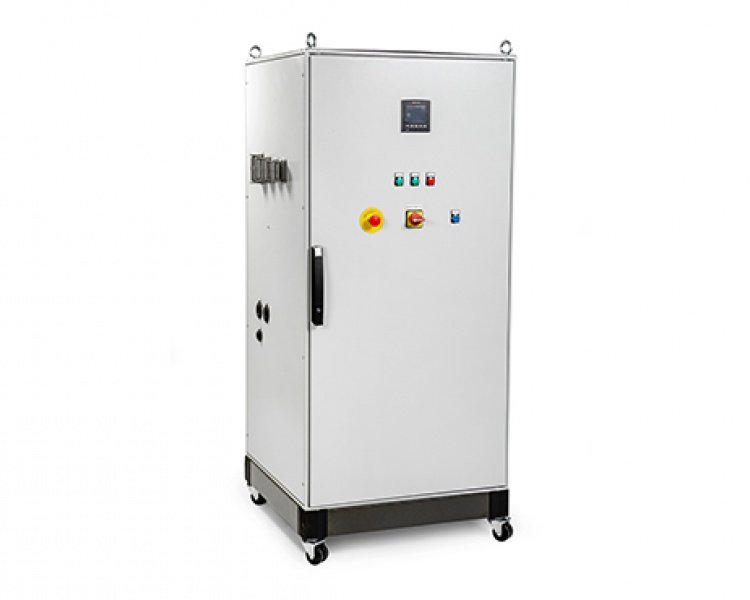
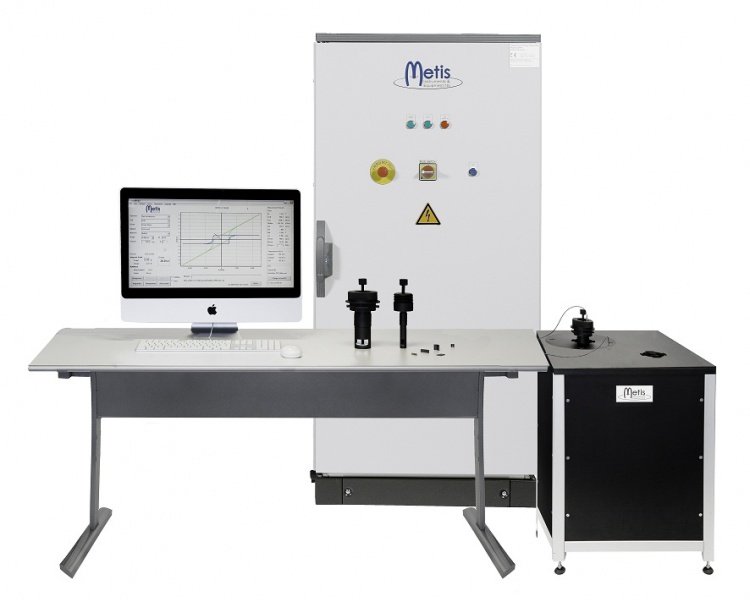
A magnetizing fixture is only as good as the energy source behind it. Pair your custom fixture with a Metis Magnetizer for a fully integrated, production-validated solution delivered as one system.

Explore the Magnetizer
Metis Magnetizer
04 / Industries

Where they're used.

01Automotive
02Electric Motors
03Aerospace
04Sensors
05Medical Devices
06Consumer
05 / FAQ

Frequently asked.

Common questions about magnetizing fixtures — from standard formats to fully bespoke designs.

What are the advantages of a Metis magnetizing fixture?

Metis fixtures deliver optimized field distribution, high efficiency, and repeatable magnetization — even for complex geometries. Each fixture is engineered for your part, simulation-validated, and tightly integrated with the magnetizer so the complete system performs predictably in production.

What advantage does a custom fixture offer over a standard one?

A custom fixture matches the magnetic field profile to the exact geometry and pole pattern of your component. This yields stronger, more uniform magnetization, shorter cycle times, and less energy waste than adapting a standard coil to a non-standard part.

When is liquid cooling required?

Liquid cooling becomes essential at high duty cycles — typically continuous industrial production where thermal accumulation in the coils would otherwise limit throughput or affect field repeatability. For lab and low-volume applications, air cooling is usually sufficient.

How is the fixture design validated before manufacture?

Every Metis fixture begins with finite-element magnetic simulation to predict field strength, uniformity, and thermal behavior. The simulated design is reviewed with the customer, then built and validated against field measurements before delivery.

06 / Downloads

Documentation.

07 / Related

Other products.

Explore the full Metis portfolio.